
How to Check Credit Score for Free in USA (2026 Complete Guide)
Introduction
Checking your credit score regularly is one of the smartest financial habits you can develop. Whether you’re planning to apply for a credit card, buy a home, finance a car, or simply improve your financial health, knowing your current credit score helps you make informed decisions.
Many Americans believe checking their own credit score is expensive or that it will lower their score. Fortunately, that’s a myth. Today, several trusted financial institutions and credit bureaus allow you to check your credit score for free, and in most cases, it won’t affect your credit score because it is considered a soft inquiry.
In this comprehensive guide, you’ll learn exactly how to check credit score for free in USA, which websites are trustworthy, how often you should monitor your credit, and common mistakes you should avoid.
If you’re planning to apply for a credit card, personal loan, auto loan, or mortgage, one of the smartest things you can do first is check your credit score. Your credit score plays a major role in determining whether lenders approve your application and what interest rate you’ll receive.
The good news is that checking your credit score no longer costs money. Many trusted financial institutions and credit bureaus now allow consumers to check their credit score for free, making it easier than ever to stay informed about their financial health.
Many people avoid checking their score because they believe it is expensive or that it will lower their credit score. Fortunately, these are common myths. In most cases, checking your own credit score is considered a soft inquiry, which does not affect your score.
In this complete guide, you’ll learn:
- How to check your credit score for free in USA
- The difference between a credit score and a credit report
- The safest websites to use
- How often you should monitor your credit
- Common mistakes to avoid
- Expert tips for protecting your financial future
Whether you’re building credit for the first time or simply keeping track of your financial progress, this guide will help you make informed decisions.
If you prefer monitoring your score directly from your phone, explore our Best Credit Score Apps USA guide to compare popular free and paid options for 2026.
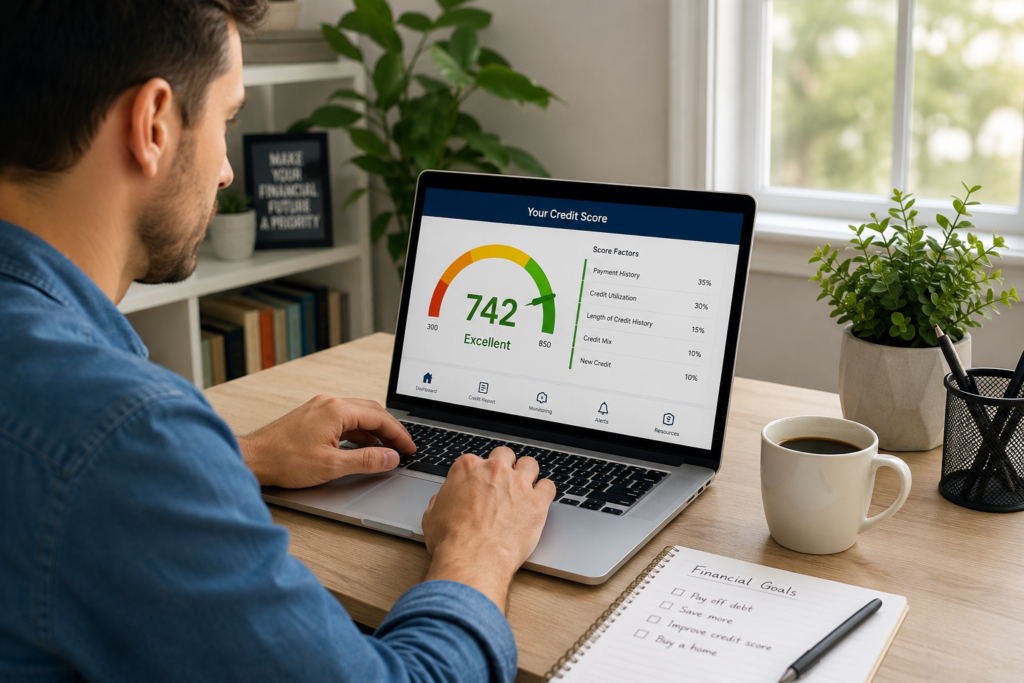
What Is a Credit Score?
A credit score is a three-digit number that represents how responsibly you manage borrowed money. It helps banks, lenders, landlords, insurance companies, and even some employers evaluate your financial reliability.
Your score is calculated using information from your credit history, including:
- Payment history
- Credit utilization
- Length of credit history
- Types of credit accounts
- Recent credit applications
In the United States, most credit scores typically range from 300 to 850, with higher scores indicating lower lending risk.
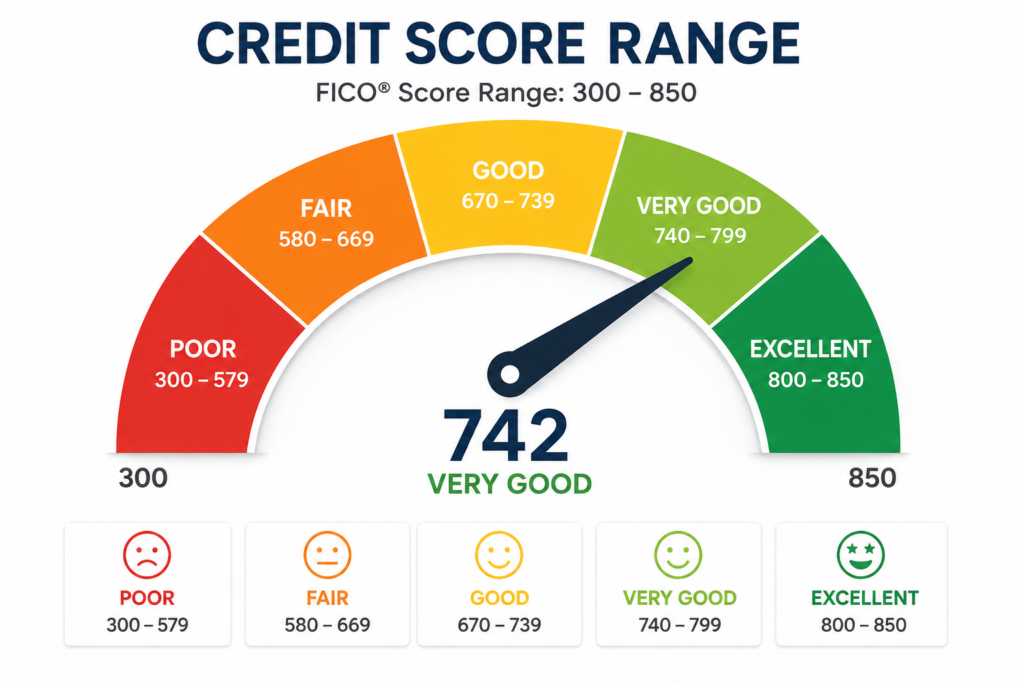
Why Checking Your Credit Score Matters
Regularly checking your credit score offers several important benefits:
- Track your financial progress over time.
- Detect errors on your credit file early.
- Identify signs of identity theft or fraud.
- Prepare before applying for loans or credit cards.
- Improve your chances of receiving lower interest rates.
Monitoring your credit score regularly is a simple habit that can help you make better financial decisions and avoid costly surprises.
Why Should You Check Your Credit Score Regularly?
Monitoring your credit score provides several important benefits:
- Detect identity theft early.
- Find errors in your credit report.
- Track improvements in your financial health.
- Prepare before applying for loans or credit cards.
- Increase your chances of qualifying for lower interest rates.
Checking your credit score regularly gives you greater control over your financial future and helps you avoid unpleasant surprises during important financial decisions.
Credit Score vs. Credit Report: What’s the Difference?
Many people think a credit score and a credit report are the same thing, but they serve different purposes.
A credit score is a three-digit number that summarizes your creditworthiness, while a credit report is a detailed record of your borrowing history.
Credit Score | Credit Report |
|---|---|
| Three-digit number | Detailed financial report |
| Usually ranges from 300–850 | Lists all credit accounts |
| Used by lenders for quick decisions | Shows payment history and account details |
| Changes as your credit behavior changes | Updated whenever lenders report new information |
Your credit report contains information such as:
- Credit card accounts
- Personal loans
- Auto loans
- Mortgage history
- Payment history
- Hard inquiries
- Public records (if applicable)
Because your credit score is calculated using information from your credit report, reviewing both regularly helps you spot errors and understand changes in your score.
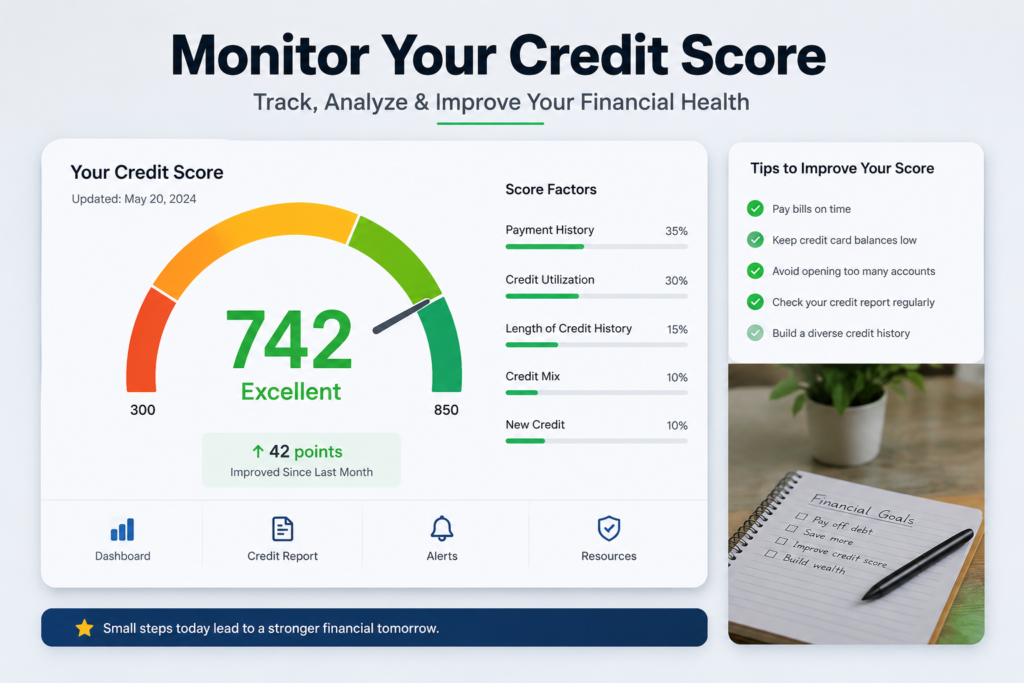
Best Free Websites to Check Your Credit Score in USA
Several trusted organizations allow consumers to check their credit score safely without paying a fee.
Here are some of the most reliable options:
1. Experian
Experian allows eligible users to access their credit score and monitor changes through its online platform.
2. Equifax
Equifax provides credit monitoring tools and allows users to review important information related to their credit profile.
3. TransUnion
TransUnion offers credit monitoring services that help consumers stay informed about updates to their credit file.
4. AnnualCreditReport.gov
This is the official website authorized for obtaining free credit reports from the three nationwide credit bureaus.
5. Credit Card Issuers
Many banks and credit card companies provide free credit score access through their online banking dashboards.
Examples include:
- Discover
- Capital One
- American Express
- Chase
- Bank of America
Always verify that you’re using official websites before entering personal information.
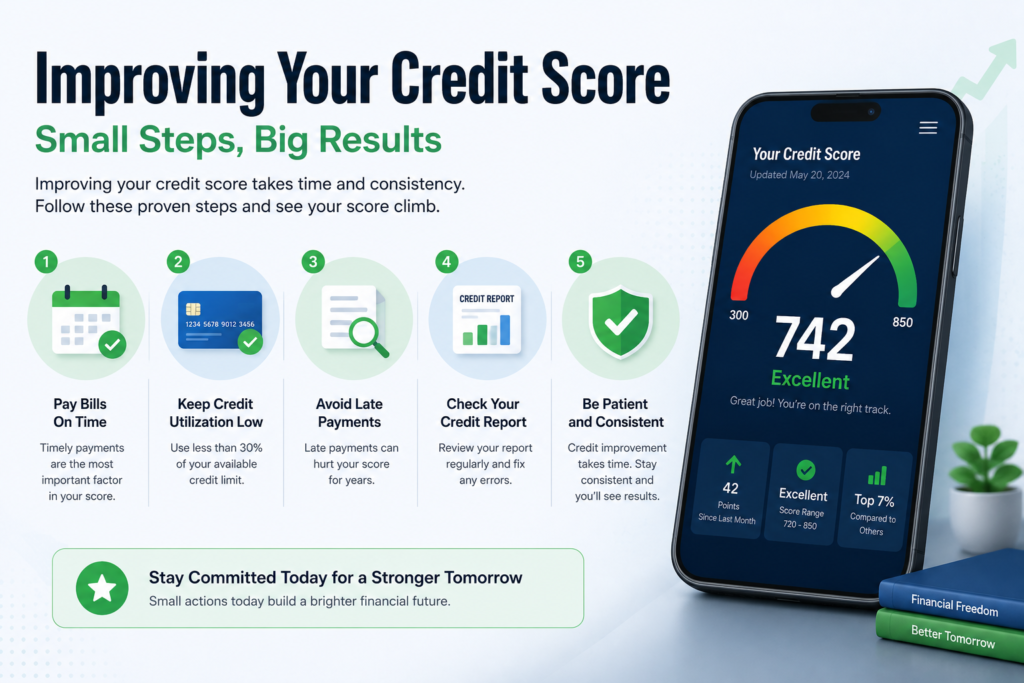
How to Check Your Credit Score Safely (Step-by-Step)
Checking your credit score only takes a few minutes.
Step 1
Choose a trusted website such as Experian or your bank.
Step 2
Create a secure account.
Step 3
Verify your identity.
Step 4
View your current credit score.
Step 5
Review your credit report for any incorrect information.
Step 6
Monitor your score regularly to track changes over time.
Checking your own credit score is generally considered a soft inquiry, meaning it does not lower your credit score.
How Often Should You Check Your Credit Score?
One of the most common questions consumers ask is how frequently they should review their credit score. While there is no single rule for everyone, checking your score regularly helps you stay aware of changes and quickly identify potential issues.
Here are some general recommendations:
Check Your Credit Score Monthly If You:
- Are actively improving your credit score.
- Plan to apply for a mortgage or auto loan.
- Are preparing for a new credit card application.
- Have experienced identity theft in the past.
- Want to monitor your financial progress.
Check Every 3–6 Months If You:
- Rarely use credit.
- Have a stable financial situation.
- Don’t expect to apply for new credit soon.
Regular monitoring allows you to detect unexpected changes before they become serious financial problems.
Does Checking Your Own Credit Score Lower It?
No.
This is one of the biggest myths about credit scores.
When you check your own credit score through a trusted website or your bank, it creates a soft inquiry.
A soft inquiry:
- Does not affect your credit score.
- Is only visible to you.
- Can be performed as often as you like.
A hard inquiry, on the other hand, occurs when you apply for a new loan, mortgage, or credit card. Multiple hard inquiries within a short period may have a temporary impact on your credit score.
Understanding the difference between soft and hard inquiries helps you monitor your credit with confidence.
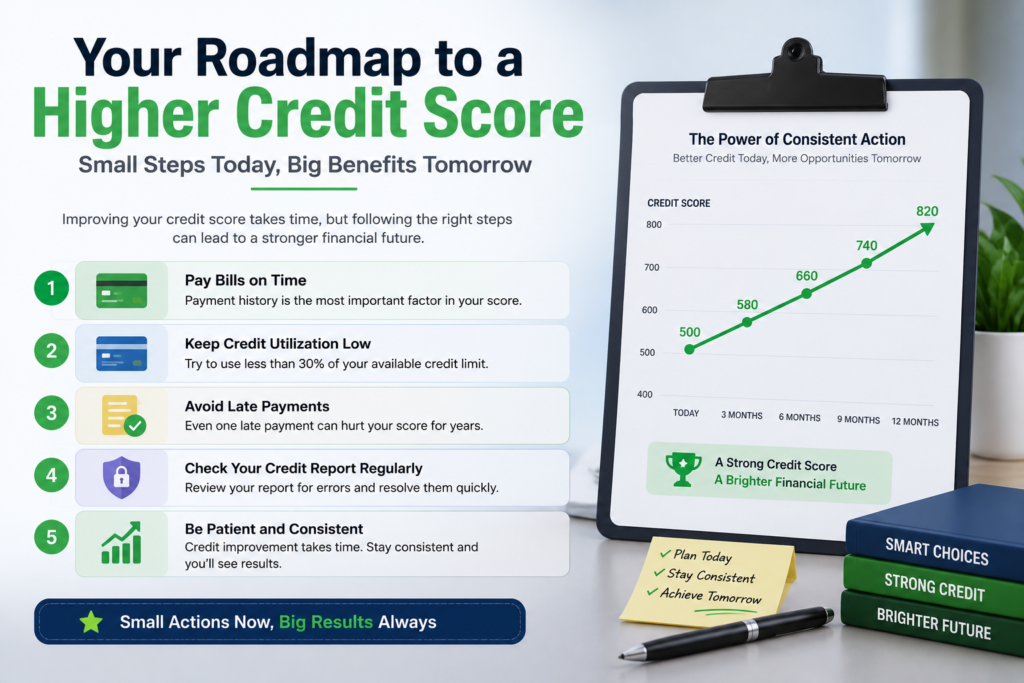
Common Mistakes to Avoid
Avoiding these mistakes can help protect your credit score over the long term.
1. Checking Your Score on Untrusted Websites
Only use official credit bureaus, reputable financial institutions, or trusted banking apps.
2. Ignoring Your Credit Report
Mistakes and fraudulent accounts can sometimes appear on your credit report. Regular reviews help you catch these issues early.
3. Confusing a Credit Report With a Credit Score
Remember that your credit report contains detailed account information, while your credit score is a numerical summary based on that information.
4. Believing Credit Monitoring Is Harmful
Checking your own credit score regularly through legitimate services does not reduce your score.
5. Sharing Personal Information Carelessly
Never enter sensitive financial information on websites that are not secure or well-known.
Expert Tips
Financial experts recommend these habits for maintaining healthy credit:
- Check your credit score every month.
- Review your credit report several times a year.
- Set payment reminders.
- Keep credit card balances low.
- Report suspicious activity immediately.
- Protect your personal information with strong passwords and two-factor authentication.
Small, consistent habits often make a bigger difference than occasional large changes.

Frequently Asked Questions (FAQs)
1. How can I check my credit score for free in the USA?
You can check your credit score for free through trusted credit bureaus, participating banks, and some credit card issuers. Always use official and reputable websites to protect your personal information.
2. Does checking my own credit score lower it?
No. Checking your own credit score is generally considered a soft inquiry, which does not affect your credit score.
3. What’s the difference between a credit score and a credit report?
A credit score is a three-digit number that represents your creditworthiness, while a credit report contains detailed information about your credit history, including loans, credit cards, payment history, and inquiries.
4. How often should I check my credit score?
Most financial experts recommend checking your credit score at least once a month, especially if you’re planning to apply for a loan, mortgage, or credit card.
5. Which credit score do lenders usually use?
Many lenders use FICO® Scores, although some financial institutions may also use VantageScore® models depending on their lending policies.
6. What should I do if I find an error on my credit report?
If you notice incorrect information, contact the credit bureau reporting the error and file a dispute as soon as possible. Correcting inaccurate information may help improve your credit profile.
Quick Summary
If you only remember a few things from this guide, make them these:
- Check your credit score regularly.
- Use only trusted and official websites.
- Checking your own score doesn’t usually lower it.
- Review your credit report for mistakes.
- Protect your personal information online.
- Monitor your financial progress throughout the year.
Key Takeaways
Checking your credit score is one of the easiest ways to stay in control of your financial future. Whether you’re preparing to buy a home, finance a vehicle, or apply for a new credit card, knowing your current credit standing helps you make smarter financial decisions.
Remember that your credit score and credit report work together to reflect your financial history. Regular monitoring can help you detect errors, identify fraud early, and track improvements over time.
Using trusted credit bureaus and official financial websites ensures your information stays secure while giving you accurate insights into your credit profile.
Conclusion
Learning how to check credit score for free in USA is an important step toward better financial health. Fortunately, checking your own credit score is simple, secure, and generally does not affect your score when done through trusted sources.
By monitoring your credit regularly, reviewing your credit report for accuracy, and following healthy financial habits, you’ll be better prepared for future financial opportunities. Staying informed today can help you qualify for better interest rates, stronger loan approvals, and greater financial confidence tomorrow.
Pingback: 7 Best Credit Score Apps USA (Free & Paid) – 2026 Guide - Credify UP
Pingback: Does Checking Your Credit Score Lower It? 7 Truth Explained - Credify UP
Pingback: How to Read a Credit Report (2026 Complete Guide) - Credify UP
“Thank you aapke comment ke liye! Agar aap credit score aur monitoring ke baare mein aur jaanna chahte hain, toh aap hamare ye articles check kar sakte hain:
Best Credit Score Apps in USA: https://bfcreditscore.com/best-credit-score-apps-usa/
Best Credit Monitoring Services in USA: https://bfcreditscore.com/best-credit-monitoring-services-in-usa/