

How to Improve Credit Score in USA:
12 Proven Tips That Really Work (2026)
Table of Contents
- Why Improving Your Credit Score Matters
- What Affects Your Credit Score?
- Can You Improve Your Credit Score?
- Benefits of a Better Credit Score
- Quick Tips Before You Start
- FAQs
- Conclusion
How to Improve Credit Score in USA
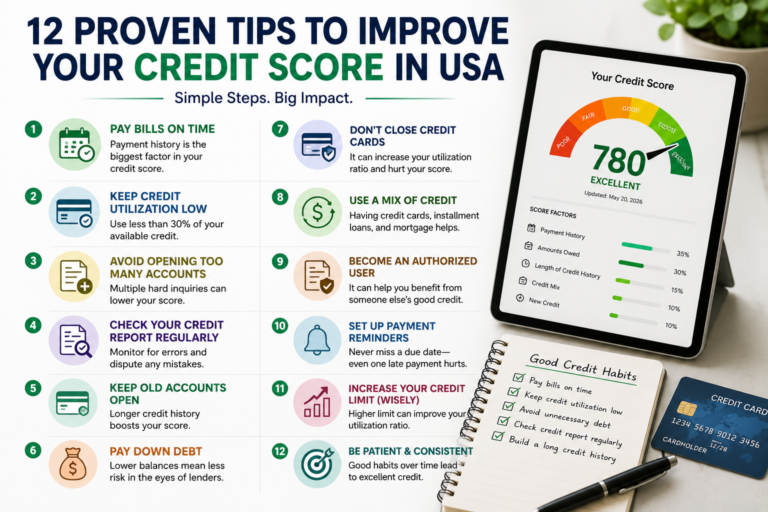
A healthy credit score can open the door to better financial opportunities. Whether you’re applying for a credit card, financing a car, renting an apartment, or planning to buy a home, lenders often review your credit history before making a decision.
The good news is that improving your credit score is possible. It doesn’t happen overnight, but by following responsible financial habits consistently, many people gradually strengthen their credit profile over time.
If you’re new to the topic, we recommend reading our What Is a Credit Score in USA? Beginner’s Guide first. It explains how credit scores work before you start improving them.
How Long Does It Take to Improve a Credit Score?
Google isi query par tumhe impressions de raha hai:
- how long does it take to improve credit score
- how long to improve credit score
- time to improve credit score
Isliye yeh section zaroor add karo.
Content (Humanized):
Many people expect their credit score to improve overnight, but that’s rarely how credit scoring works. The exact timeline depends on what’s affecting your credit profile.
Here is a general estimate:
- Paying down high credit card balances: 1–2 months
- Correcting credit report errors: 30–60 days
- Building positive payment history: 3–6 months
- Recovering from late payments: 6–12 months
- Recovering after collections or major negative marks: 12–24 months or longer
The most important factor is consistency. Paying every bill on time, keeping your credit utilization low, and avoiding unnecessary hard inquiries can gradually improve your score.
Why Improving Your Credit Score Matters
Your credit score is one of the key factors lenders use to assess credit risk. While it’s not the only factor considered, a stronger score may improve your financial options.
A better credit score may help you:
- Qualify for more financial products.
- Receive more competitive interest rates.
- Increase approval chances for loans and credit cards.
- Access higher credit limits.
- Reduce long-term borrowing costs.
Even modest improvements in your score can make a meaningful difference over time.

What Affects Your Credit Score?
Before you can improve your credit score, it’s important to understand what influences it.
Although different scoring models may weigh factors differently, common elements include:
- Payment history
- Credit utilization
- Length of credit history
- Credit mix
- New credit applications
Each factor provides lenders with information about how responsibly you manage borrowed money.
Understanding these components helps you focus on the habits that can make the biggest difference.
Learn more about these factors in our detailed guide on How Is a Credit Score Calculated in USA?
Can You Improve Your Credit Score?
Yes. In many cases, people can improve their credit score by developing healthy financial habits and maintaining them consistently.
There is no guaranteed shortcut or instant fix. Instead, steady progress often comes from:
- Making every payment on time.
- Keeping credit card balances low.
- Avoiding unnecessary credit applications.
- Monitoring your credit report regularly.
- Using credit responsibly.
The amount of improvement and the time required depend on your individual financial situation.

Benefits of a Better Credit Score
A stronger credit score may provide several long-term advantages.
These may include:
Better Mortgage Opportunities
Lenders often consider credit scores when evaluating mortgage applications. A stronger score may improve your eligibility for competitive loan terms.
Lower Interest Rates
Borrowers with stronger credit profiles may qualify for lower interest rates, reducing the total cost of borrowing over time.
Improved Credit Card Options
Some credit card issuers offer better rewards, higher limits, or lower annual percentage rates (APR) to applicants with stronger credit histories.
Greater Financial Flexibility
A healthy credit score can make it easier to access financing when needed, whether for education, transportation, or housing.

Quick Tips Before You Start
Before trying to improve your credit score, keep these practical tips in mind:
- Set realistic expectations—credit improvement takes time.
- Focus on long-term financial habits rather than quick fixes.
- Check your credit report regularly for accuracy.
- Avoid companies that promise instant credit score increases.
- Build a budget that helps you stay on top of payments.
Small, consistent actions often lead to meaningful improvements over time.
12 Proven Ways to Improve Your Credit Score
Improving your credit score requires consistency, patience, and responsible financial habits. There is no guaranteed overnight solution, but following proven strategies can gradually strengthen your credit profile.
Below are some of the most effective methods used by consumers to build healthier credit over time.
1. Always Pay Your Bills on Time
Your payment history is one of the most influential factors in most credit scoring models. Even a single late payment may negatively affect your credit profile.
To stay on track:
- Set up automatic payments whenever possible.
- Use payment reminders or calendar alerts.
- Pay at least the minimum amount due before the due date.
- Review your monthly statements regularly.
Making every payment on time consistently demonstrates responsible credit management.

2. Reduce Your Credit Utilization
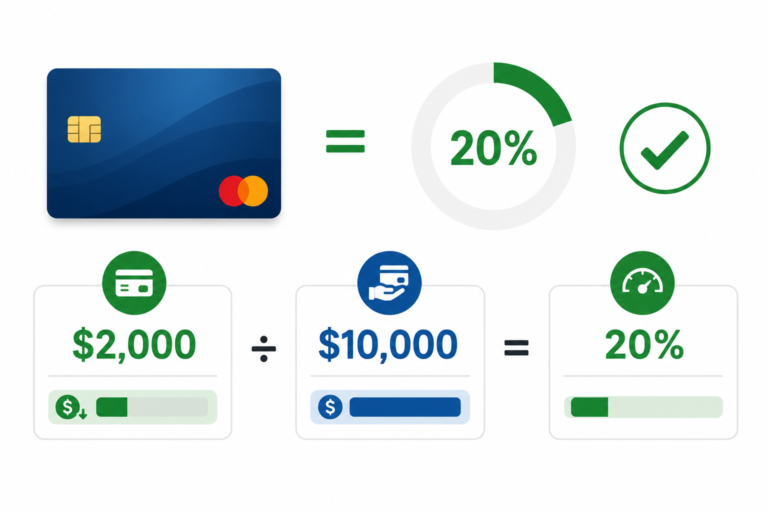
Credit utilization is the percentage of your available credit that you’re currently using.
For example:
- Credit Card Limit: $10,000
- Current Balance: $2,000
- Credit Utilization: 20%
Many financial experts recommend keeping your utilization below 30%, and even lower if possible.
Ways to lower utilization include:
- Paying balances early.
- Making multiple payments during the month.
- Avoiding unnecessary purchases.
- Requesting a credit limit increase (when appropriate).
Lower utilization generally reflects responsible credit usage.
3. Avoid Too Many Hard Inquiries
Every time you apply for a new loan or credit card, the lender may perform a hard inquiry on your credit report.
A few inquiries are normal, but submitting many applications within a short period may temporarily affect your credit score.
Instead:
- Compare offers before applying.
- Apply only when necessary.
- Space out credit applications whenever possible.
Responsible borrowing starts with thoughtful planning.
4. Keep Older Credit Accounts Open
The age of your credit accounts can contribute to your overall credit profile.
Closing an older account may reduce your average credit history, depending on your circumstances.
If an account has:
- No annual fee
- Positive payment history
- Responsible usage
keeping it open may benefit your long-term credit profile.

5. Check Your Credit Report Regularly
Monitoring your credit report helps you:
- Detect reporting errors.
- Identify fraudulent activity.
- Track financial progress.
- Verify account information.
Reviewing your report regularly allows you to address inaccuracies promptly.
6. Correct Errors on Your Credit Report
Mistakes on a credit report can happen.
Examples include:
- Incorrect payment history.
- Accounts that don’t belong to you.
- Incorrect balances.
- Duplicate accounts.
If you discover an error, contact both the credit bureau and the company that provided the information to request a correction.
Correcting inaccurate information may improve the accuracy of your credit profile.
7. Become an Authorized User
In some situations, becoming an authorized user on a trusted family member’s well-managed credit card account may help build your credit history.
However:
- The primary cardholder should consistently make payments on time.
- The account should maintain low balances.
- Not all card issuers report authorized user activity.
Before taking this step, confirm how the card issuer reports authorized users to the major credit bureaus.
Quick Summary
By following these habits consistently, you can gradually improve your credit score:
- Pay bills on time.
- Keep credit utilization low.
- Avoid unnecessary hard inquiries.
- Maintain older accounts responsibly.
- Monitor your credit report.
- Correct reporting errors.
- Consider becoming an authorized user when appropriate.
Improving your credit score is a long-term process, but steady financial habits often produce the best results.
More Proven Ways to Improve Your Credit Score
If you’ve already started making on-time payments and lowering your credit utilization, there are additional steps that can help strengthen your credit profile over time.
These strategies require patience, but they can contribute to steady, long-term improvement.
8. Pay Down Existing Debt
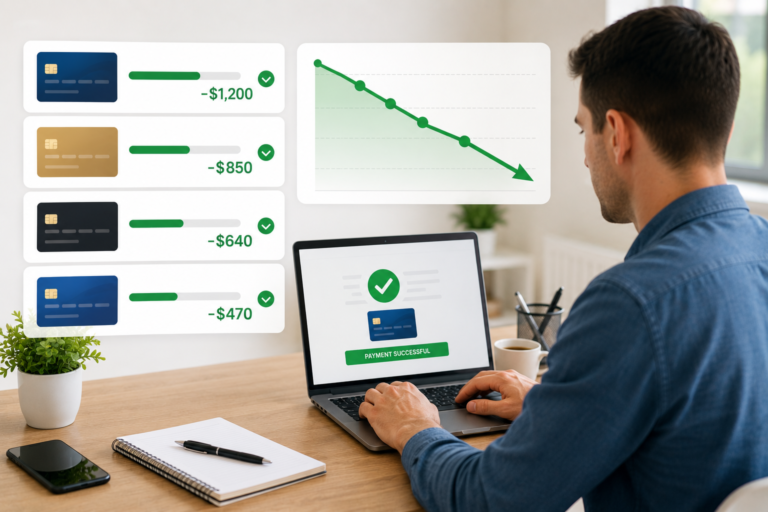
Reducing outstanding debt is one of the most effective ways to improve your overall financial health.
Large balances can increase your credit utilization and make lenders view your credit profile as higher risk.
Consider these strategies:
- Pay more than the minimum payment whenever possible.
- Focus on high-interest debt first.
- Create a monthly repayment budget.
- Avoid taking on new unnecessary debt while paying off existing balances.
Every balance you reduce moves you closer to healthier credit.
9. Maintain a Healthy Credit Mix
Credit scoring models may consider the variety of credit accounts you manage.
Examples include:
- Credit cards
- Auto loans
- Mortgages
- Student loans
- Personal loans
This doesn’t mean you should open accounts you don’t need. Instead, focus on managing existing credit responsibly.
A balanced mix of credit accounts, combined with on-time payments, may contribute positively to your credit profile.
10. Avoid Closing Paid-Off Credit Cards
Paying off a credit card is a great achievement—but immediately closing the account isn’t always the best decision.
Closing an older account may:
- Reduce your available credit.
- Increase your credit utilization ratio.
- Shorten your average account age over time.
If the account has no annual fee and still meets your needs, keeping it open may benefit your credit history.

Common Mistakes That Can Hurt Your Credit Score
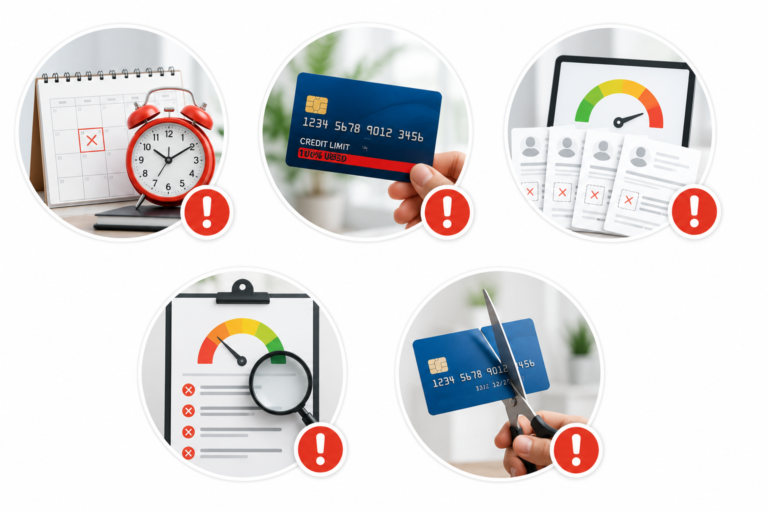
Many people unintentionally damage their credit score through avoidable mistakes.
Here are some of the most common:
Missing Payment Deadlines
Late or missed payments may remain on your credit report for years and can significantly affect your score.
Maxing Out Credit Cards
Using most or all of your available credit may increase your credit utilization ratio and negatively impact your score.
Applying for Multiple Credit Accounts
Submitting many credit applications within a short period may result in several hard inquiries, which can temporarily lower your score.
Ignoring Your Credit Report
Failing to review your credit report could allow errors or fraudulent activity to go unnoticed.
Closing Old Accounts Too Soon
Older accounts often contribute to your credit history. Closing them without careful consideration may affect your overall credit profile.
How Long Does It Take to Improve a Credit Score?
One of the most common questions people ask is:
“How long will it take to improve my credit score?”
The answer depends on several factors, including:
- Your current credit score.
- Payment history.
- Outstanding debt.
- Credit utilization.
- Recent hard inquiries.
- Length of credit history.
- boost credit score 100 points
- time to improve credit score
- improve FICO score
- improve VantageScore
Some people may notice gradual improvements within a few months after adopting responsible financial habits, while others may require a longer period, especially if recovering from missed payments or significant debt.
The key is consistency rather than expecting immediate results.
Expert Tips for Long-Term Credit Health
Building strong credit is not about finding shortcuts—it’s about maintaining healthy financial habits.
Experts generally recommend:
- Paying every bill before the due date.
- Keeping credit utilization as low as possible.
- Reviewing your credit reports regularly.
- Borrowing only what you can comfortably repay.
- Building an emergency savings fund.
- Creating a realistic monthly budget.
- Avoiding unnecessary debt.
These habits can support both your credit score and your overall financial well-being.
Want to know what lenders consider a strong score? Read our guide What Is a Good Credit Score in USA? to understand the different credit score ranges.
📌 Quick Summary
To improve your credit score over time:
- ✅ Reduce existing debt.
- ✅ Maintain a healthy credit mix.
- ✅ Keep older accounts open when appropriate.
- ✅ Avoid common credit mistakes.
- ✅ Be patient and stay consistent.
- ✅ Monitor your credit regularly.
- ✅ Practice responsible borrowing habits.
Frequently Asked Questions (FAQs)
1. What is the fastest way to improve a credit score?
There is no guaranteed instant method to improve a credit score. However, consistently paying bills on time, reducing credit card balances, keeping credit utilization low, and correcting errors on your credit report are among the most effective long-term strategies.
2. How many points can my credit score increase in a month?
The number of points varies for each individual. It depends on factors such as your current credit profile, payment history, debt levels, and recent credit activity. Some people may notice gradual improvements within a few months, while others may take longer.
3. Does paying off a credit card improve my credit score?
Paying off credit card debt may help lower your credit utilization ratio, which can positively influence your credit profile. The overall impact depends on several factors, including your complete credit history.
4. Can checking my own credit score lower it?
No. Checking your own credit score generally results in a soft inquiry, which does not affect your credit score.
5. How often should I check my credit report?
Reviewing your credit report several times each year is a good habit. Regular monitoring helps you identify reporting errors, detect possible fraud, and track your financial progress.
6. Is it possible to reach an excellent credit score?
Yes. With responsible financial habits maintained over time, many consumers gradually build strong credit profiles. The process requires consistency rather than quick fixes.
7. How Long Does It Take to Improve a Credit Score?
Most people begin seeing improvements within 30–90 days after adopting good credit habits, although larger increases may take several months depending on their credit history.
8. Can You Improve Your Credit Score by 100 Points?
Yes. Some consumers can improve their credit score by 100 points, but the timeline depends on factors such as payment history, credit utilization, and negative items on the credit report.
9. How Fast Can I Raise My Credit Score?
Reducing credit card balances, making every payment on time, correcting reporting errors, and limiting new credit applications are among the fastest ways to improve a credit score.
Expert Tips for Long-Term Credit Success
Improving your credit score is only the beginning. Maintaining a healthy credit profile requires ongoing financial discipline.
Consider these best practices:
- Create a realistic monthly budget.
- Pay every bill before the due date.
- Keep credit utilization as low as possible.
- Build an emergency savings fund.
- Review your credit report regularly.
- Avoid unnecessary borrowing.
- Use credit only when needed.
- Continue learning about personal finance.
These habits not only support your credit score but also contribute to long-term financial stability.
If you’re wondering whether checking your credit score affects your progress, read our complete guide:

Common Myths About Improving Credit Scores
There is a lot of misinformation about credit scores. Here are a few common myths.
Myth: Paying someone can instantly fix your credit.
Fact: Legitimate credit improvement takes time and depends on responsible financial behavior.
Myth: Closing all credit cards improves your score.
Fact: Closing older accounts may reduce available credit and increase your credit utilization ratio.
Myth: You need an 850 credit score.
Fact: A perfect score is not necessary for most financial products. Many borrowers with good or very good credit qualify for competitive loan and credit card offers.how long does it take to improve credit score.
Myth: Income directly determines your credit score.
Fact: Credit scores generally focus on how you manage credit, not how much money you earn.
- improve credit score fast
Key Takeaways
- Improving your credit score takes time and consistency.
- Always pay bills before the due date.
- Keep credit utilization low.
- Review your credit reports regularly.
- Correct reporting errors promptly.
- Avoid unnecessary hard inquiries.
- Maintain older credit accounts responsibly.
- Build healthy financial habits for long-term success.
Conclusion
Learning how to improve your credit score in USA is one of the most valuable steps you can take toward achieving better financial opportunities.
While there is no instant solution, consistent habits such as paying bills on time, reducing debt, maintaining low credit utilization, and reviewing your credit reports can gradually strengthen your credit profile.
Remember that credit improvement is a long-term journey. Focus on sustainable financial habits rather than quick fixes, and your efforts can help you build a stronger financial future over time.
Continue Reading
Continue building your credit knowledge with these helpful guides:
- What Is a Credit Score in USA? Beginner’s Guide
- How Is a Credit Score Calculated in USA?
- What Is a Good Credit Score in USA?
- What Is a Bad Credit Score? (Future Article)
- How to Check Your Credit Report for Free (Future Article)
References (Official Sources)
For accurate and reliable information, readers can consult:
- FICO®
- Consumer Financial Protection Bureau (CFPB)
- Experian
- Equifax
- TransUnion
- AnnualCreditReport.com
Pingback: How to Check Credit Score for Free in USA (2026 Complete Guide) - Credify UP
Pingback: Does Checking Your Credit Score Lower It? 7 Truth Explained - Credify UP
Pingback: What Is a Good Credit Score to Buy a House? (2026 Guide) - Credify UP
Pingback: How Is a Credit Score Calculated in USA? Complete Guide (2026) - Credify UP
Pingback: Minimum Credit Score for a Credit Card in USA (2026 Complete Guide) - Credify UP
“Thank you aapke comment ke liye! Agar aap credit score aur monitoring ke baare mein aur jaanna chahte hain, toh aap hamare ye articles check kar sakte hain:
Best Credit Score Apps in USA: https://bfcreditscore.com/best-credit-score-apps-usa/
Best Credit Monitoring Services in USA: https://bfcreditscore.com/best-credit-monitoring-services-in-usa/
Pingback: Best Free Credit Monitoring Services in USA (2026) - Credify UP
“Thank you aapke comment ke liye! Agar aap credit score aur monitoring ke baare mein aur jaanna chahte hain, toh aap hamare ye articles check kar sakte hain:
Best Credit Score Apps in USA: https://bfcreditscore.com/best-credit-score-apps-usa/
Best Credit Monitoring Services in USA: https://bfcreditscore.com/best-credit-monitoring-services-in-usa/
Pingback: What Factors Affect Your Credit Score? (2026 Guide) - Credify UP
“Thank you aapke comment ke liye! Agar aap credit score aur monitoring ke baare mein aur jaanna chahte hain, toh aap hamare ye articles check kar sakte hain:
Best Credit Score Apps in USA: https://bfcreditscore.com/best-credit-score-apps-usa/
Best Credit Monitoring Services in USA: https://bfcreditscore.com/best-credit-monitoring-services-in-usa/
Pingback: How Long Does It Take to Improve Your Credit Score? (2026 Timeline Guide) - Credify UP
“Thank you aapke comment ke liye! Agar aap credit score aur monitoring ke baare mein aur jaanna chahte hain, toh aap hamare ye articles check kar sakte hain:
Best Credit Score Apps in USA: https://bfcreditscore.com/best-credit-score-apps-usa/
Best Credit Monitoring Services in USA: https://bfcreditscore.com/best-credit-monitoring-services-in-usa/